
See It, Solve It: Everyday Wins with Visual Thinking
Today we explore visual thinking for everyday problem-solving, turning the invisible tangle of ideas into clear shapes you can point at, discuss, and improve. With quick sketches, maps, and diagrams, you will organize choices, surface assumptions, and act faster. Expect practical stories, approachable tools, and playful techniques you can try immediately, even if you believe you cannot draw a straight line without help.
Reframing Problems Through Simple Sketches
When worries swirl like fog, a quick drawing turns uncertainty into edges, arrows, and decisions. Visual thinking releases working memory by parking details outside your head, making patterns and gaps reveal themselves. A rough rectangle can frame scope, a circle can highlight constraints, and a line can show sequence. You do not need artistic skill; you need curiosity, a pen, and the willingness to notice what changes once something appears on paper.

From Fog to Figure
Start with a messy page, not a perfect plan. Scribble the pieces you know, leave space for what you do not, and connect items with arrows that express how one thing leads to another. I once sketched a chaotic parking-lot exit as boxes and flows; the drawing revealed a simple detour I had missed for weeks. Externalizing complexity often uncovers practical, low-energy moves hiding in plain sight.

Why Pictures Stick
Research on dual coding suggests ideas encoded visually and verbally stick better than words alone, because the brain can retrieve either pathway under pressure. A tiny icon beside a key phrase becomes a memorable anchor, reducing cognitive load when choices multiply. Diagrams group related elements, creating natural chunks your working memory can safely handle. You feel calmer, not because life is simpler, but because the structure now holds part of the weight.
Quick Wins at Home, Work, and On the Go

A Morning Map That Actually Mornings
Draw a thin line representing time from wake-up to out-the-door, then place every essential action along it, marking dependencies and optional items. Notice clashes, like coffee prep colliding with lunch packing. Shift tasks earlier, batch them, or offload steps to the night before. A tiny symbol for energy helps you reserve attention for decisions needing clarity. Five careful minutes with a pen can spare twenty scattered minutes tomorrow.
Untangling an Email Thread
Print the thread or paste key lines into a blank page. Sketch who said what, when, and why, using arrows for requests and dotted lines for assumptions. Note unresolved questions as empty circles. Suddenly you know the minimal reply that advances everything: confirm the decision gate, provide the missing metric, or name the owner. The diagram removes emotional charge by turning escalation into structure, replacing reactive typing with purposeful closure.

Smarter Shopping on a Single Page
Transform impulse purchases into thoughtful choices with a decision tree. Start with need versus want, branch to budget and longevity, then add criteria like repairability and time-to-benefit. Sketch two or three realistic outcomes and their costs. Circle the option that improves tomorrow as well as today. When the choice is still unclear, add a small delay box: sleep on it, compare in a week, or borrow. Clarity grows, regret shrinks.
Techniques That Clarify Choices
Different problem shapes deserve different drawings. Use a mind map to expand possibilities, a storyboard to reveal sequence and emotion, and a constraint canvas to expose trade-offs before you commit. Each technique favors a distinct conversation: one for divergence, one for flow, one for realism. When you match the visual to the challenge, you reduce argument and increase learning speed, because the page now reflects how the decision actually behaves.
Collaborative Visuals That Align Teams
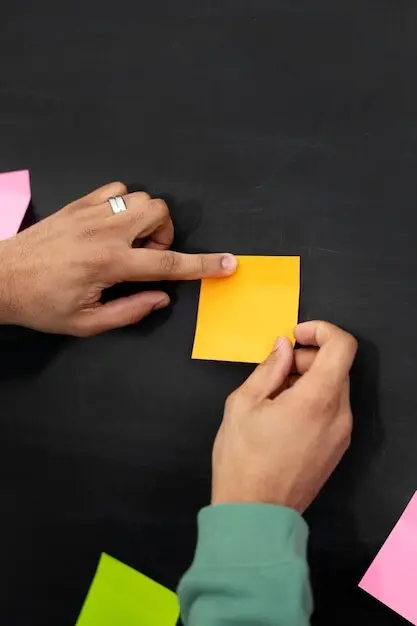
Stand beside the drawing, not in front of it. Sketch live while people talk, labeling uncertainties with question marks so risks feel acknowledged. Invite volunteers to add lines or relocate sticky notes. When someone disagrees, ask them to draw their version. The fastest path out of stuckness is two competing diagrams, compared honestly. The board becomes a negotiating table where markers, not volume, shape direction and next steps.
Summarize goal, audience, constraints, milestones, and success signals on a single sheet using icons and short phrases. Include a small timeline, a scope boundary box, and three must-not-fail risks. When leaders request changes, redraw the timeline or expand the boundary visibly, then re-check risk boxes. This artifact replaces long memos with clarity you can carry to any meeting, accelerating approvals and reducing sideways conversations that quietly drain momentum.
Shift critique from vague adjectives to lines and shapes. Circle what works, box what feels uncertain, and add arrows suggesting alternative flows. Use different colors for observations, questions, and proposals so people distinguish fact from preference. Set a time limit, then let the originator choose which marks to test. Psychological safety grows when the page takes the heat, and improvement becomes a collaborative sketch rather than a defensive debate.
Memory, Focus, and Reducing Cognitive Load
Visuals help brains manage limits by chunking information, spotlighting what matters, and suppressing noise. Cognitive load theory reminds us that working memory is small; diagrams enlarge effective capacity by structuring inputs. Icons act like anchors you can recognize quickly under pressure. Frames group related elements, while layers hide complexity until needed. You think more clearly not because you know more, but because the drawing guides attention to the next useful move.
Build Your Icon Alphabet
Create a tiny, consistent set of icons for people, tasks, blockers, data, and decisions. Repetition builds instant recognition, turning sketches into a private shorthand you can read at a glance. Keep forms simple so speed never suffers. Pair each icon with a distinct color to highlight urgency or status. Over time, these marks become a reliable language that calms meetings, accelerates planning, and rescues ideas that usually vanish between conversations.
Frames, Layers, and Gentle Focus
Use thick frames to signal context and thinner frames to outline detail, guiding eyes from overview to action. On paper, separate layers with tracing sheets or stacked index cards. Digitally, group elements so you can hide advanced details during early discussion. This respectful reveal keeps novices engaged and experts satisfied. By controlling when complexity appears, you protect focus and reduce the fatigue that often masquerades as disagreement or delay.
Checklists That Actually Get Checked
Design checklists as small maps, not dull columns. Group steps into phases and draw a simple progress bar so completion feels visual and satisfying. Add tiny icons for hazards and handoffs, plus spaces for dates or initials. When steps frequently slip, sketch a mini flow beside them to show why. The best checklists live with the work, travel easily, and transform accountability from nagging into a shared, visible rhythm.
Building a Sustainable Visual Habit
{{SECTION_SUBTITLE}}

The Five‑Minute Anchor
Pick a consistent cue, like brewing coffee, and sketch something small before the kettle clicks. Draw yesterday’s sticking point as a sequence, or map the next hour as boxes. Limit yourself to five minutes to discourage perfectionism. Photograph the result and tag it with two keywords. This tiny ritual grows a trustworthy archive and a stronger reflex, making visual thinking your default response to ambiguity rather than an occasional rescue.

Capture and Catalog Without Friction
Create simple albums named by situation—home, errands, projects, conversations—and drop photos of sketches there immediately. Add two or three recurring tags so searching remains effortless. Once a week, review favorites, merging duplicates and archiving dead ideas. Promote the most helpful drawings into reusable templates. The point is not beauty; it is recall and reuse. Your catalog becomes a silent collaborator that shortens future decisions and preserves lessons hard-won in busy moments.

All Rights Reserved.